
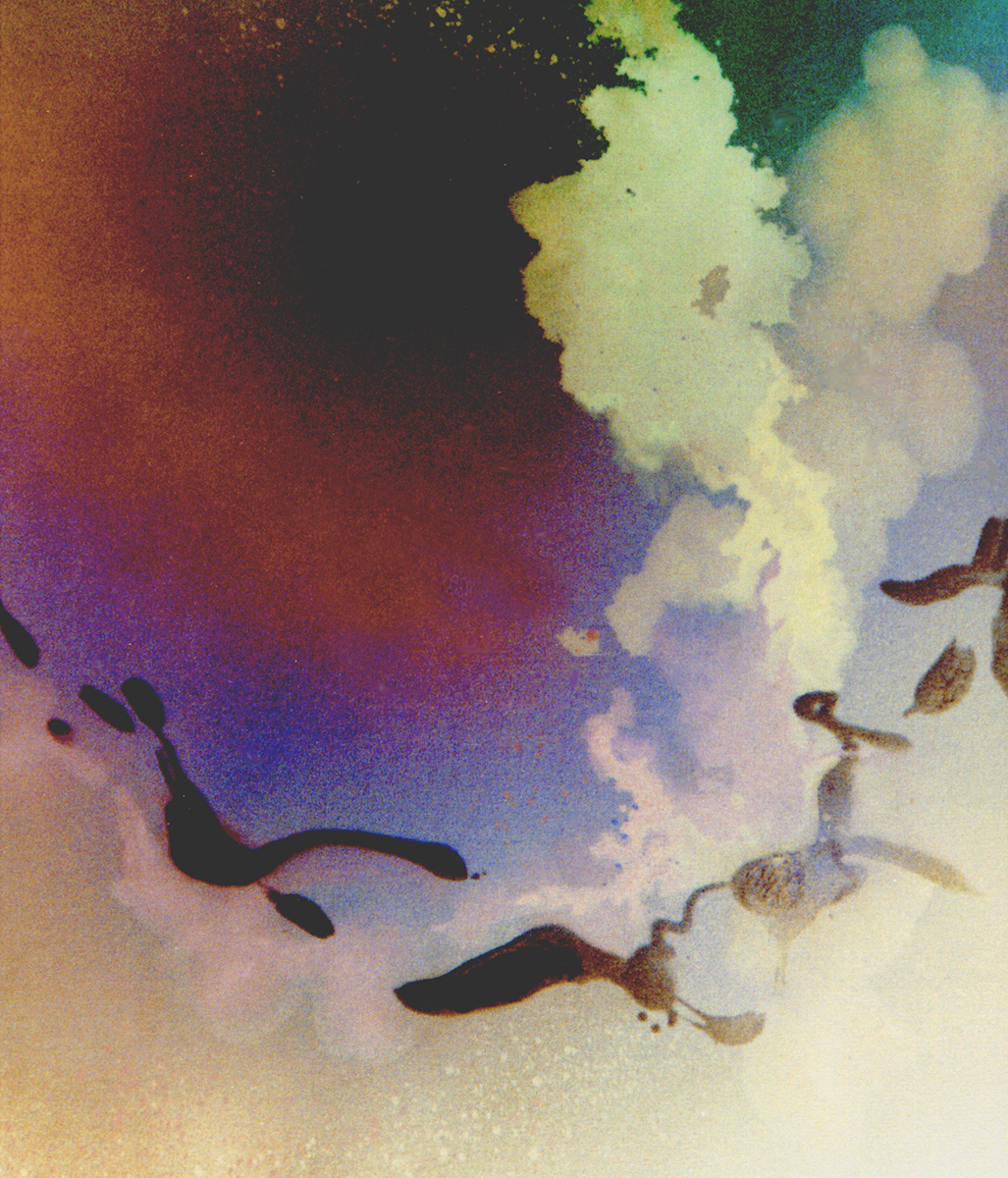
Sarah Valeri’s “Space Dawn,” oil on canvas, 48 x 40 inches, and the cover image for Susan Scutti’s novel.
Susan Scutti and Sarah Valeri, the author-artist team behind The Deceptive Smiles of Bredmeyer Deed, have merged an awesome science-fiction story with a thirst-quenching dose of the emotion and mindfulness that are all too often missing from this genre.
The plot begins with Dawn Theocratis, who sees her life as static, loveless, and uninspired. Then she meets the enigmatic Bredmeyer Deed and is forced to question the deepest assumptions of their luxurious but maximum-surveillance world. As the adventure unfolds, Dawn finds the courage to investigate the most forbidden territory of all: her own mind and body.
Here’s the good word from Ms. Valeri:
“I was really lucky to meet Susan so soon after moving to New York. I appreciated so much that she let me make whatever I wanted in response to her writing, even though many of the images in the book are actually six-foot paintings! I loved how characters in the book began to meld into my painting through a more natural relationship. It is a thoughtful story, and I’m glad to have been part of it.
“Since I am working out of my home, I’ve been creating smaller pen and ink images of a mythical quality – little characters known as the Fugitive’s Astronomy Club. Possibly short stories or poems from other writers will complete these characters’ sagas. Or I might make a bunch of new drawings for Bredmeyer. I find that the story relates so well to who we are as people today that it’s very difficult for me to see current events and not want to relate them to drawings for the novel.”

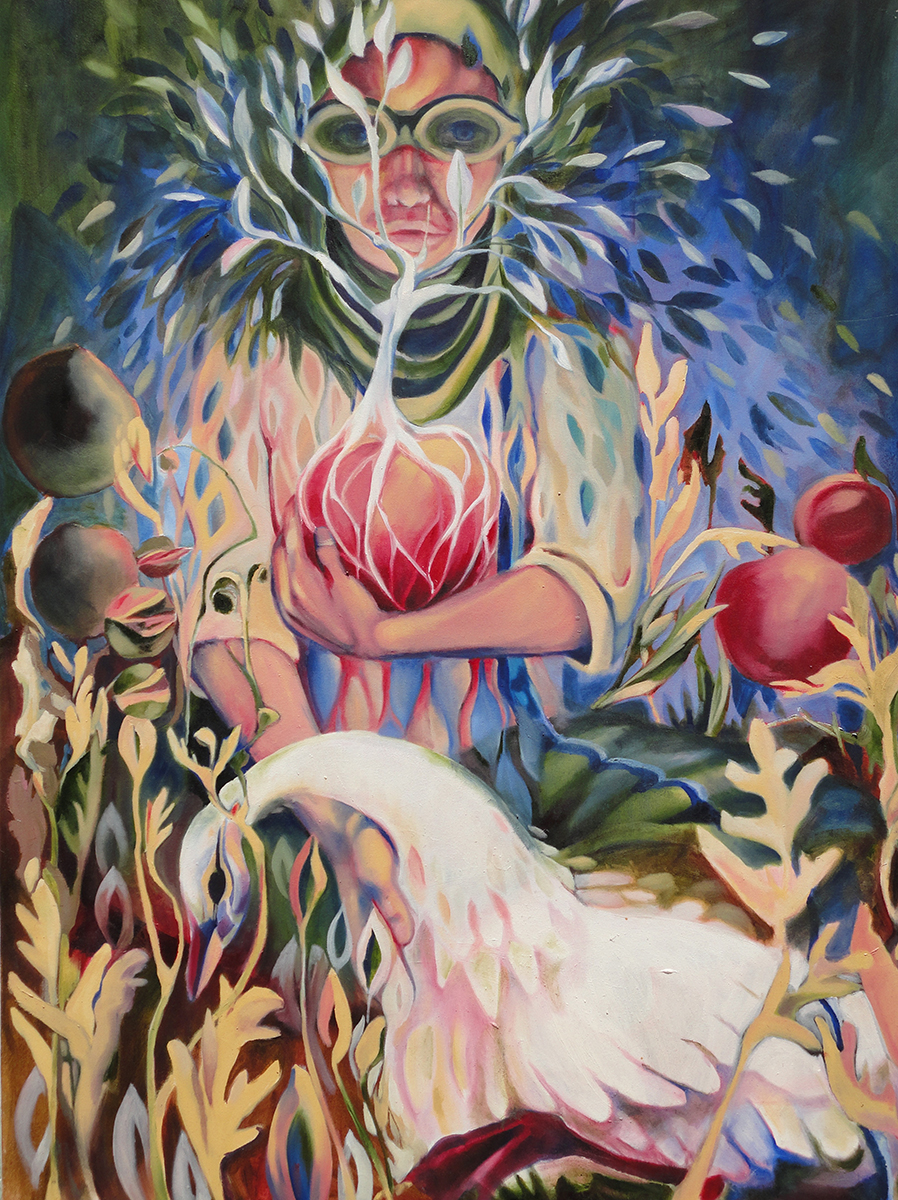
“The Boy King Remains in the Woods,” oil on canvas, 60 x 40 inches © Sarah Valeri 2013
And Ms. Scutti reports: “At the beginning, I wanted to make a graphic novel. I had written a short story that was very visual and naturally seemed to suggest that form. So why not find someone who could help translate these words into a graphic novel? I advertised online, and Sarah answered.
“We wrote a series of emails back and forth, and when she sent me to her website, I immediately felt drawn to her work. Soon after, we met and hashed out our project in person. We quickly strayed from the original intention, and the project evolved into a novel with artwork.
“Sarah read the story I’d written – and then she painted. After staring at her paintings, I would revise and add scenes, moving my characters forward based on what she’d done. Working with Sarah added the whole environmental element to the story line, which became absolutely central to the action.
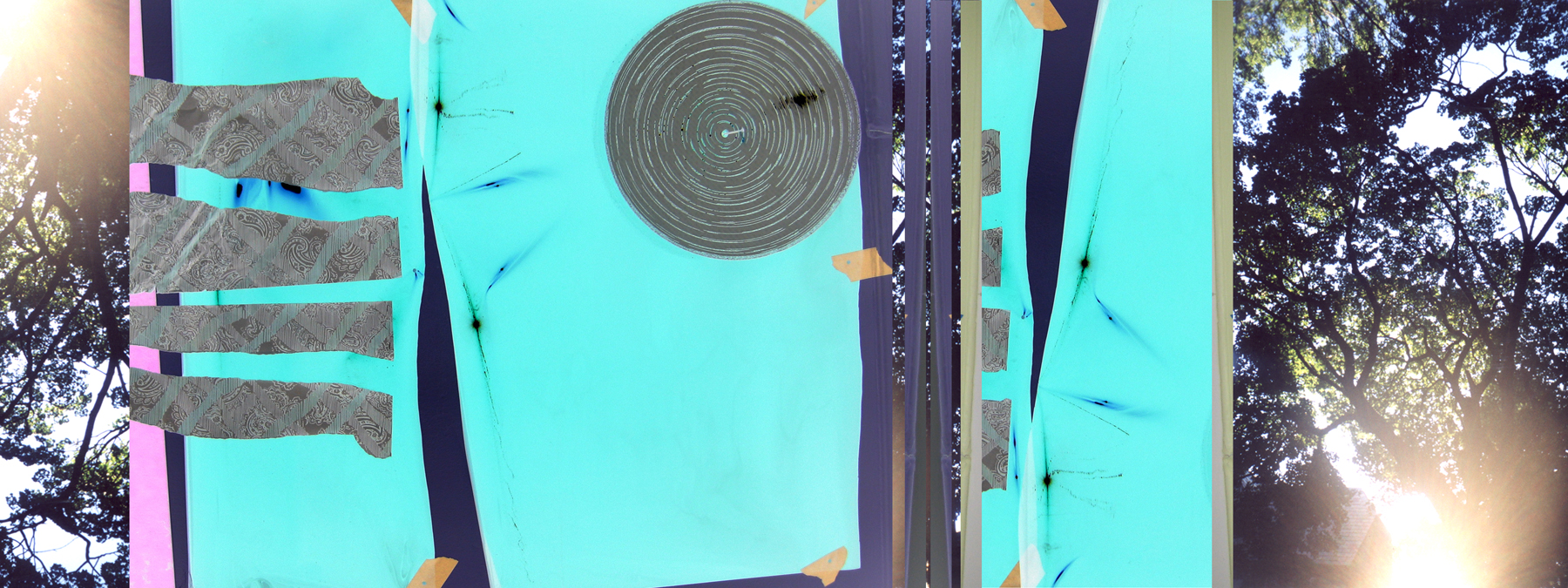
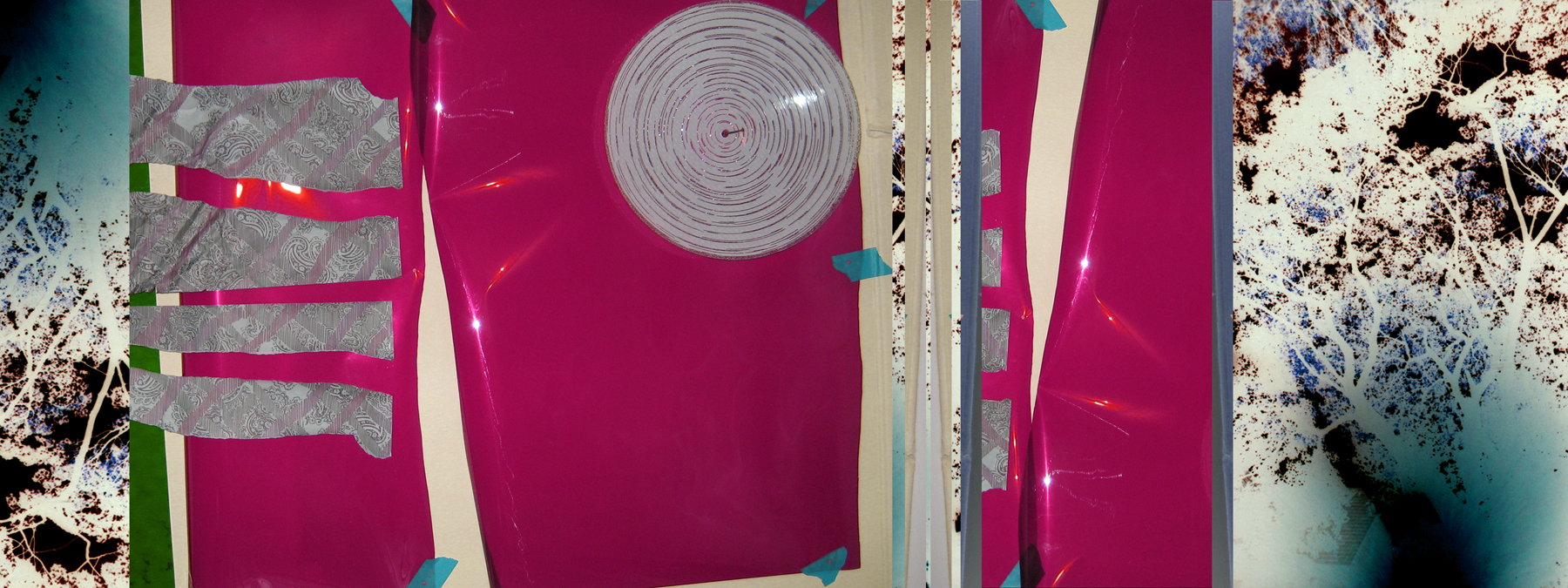
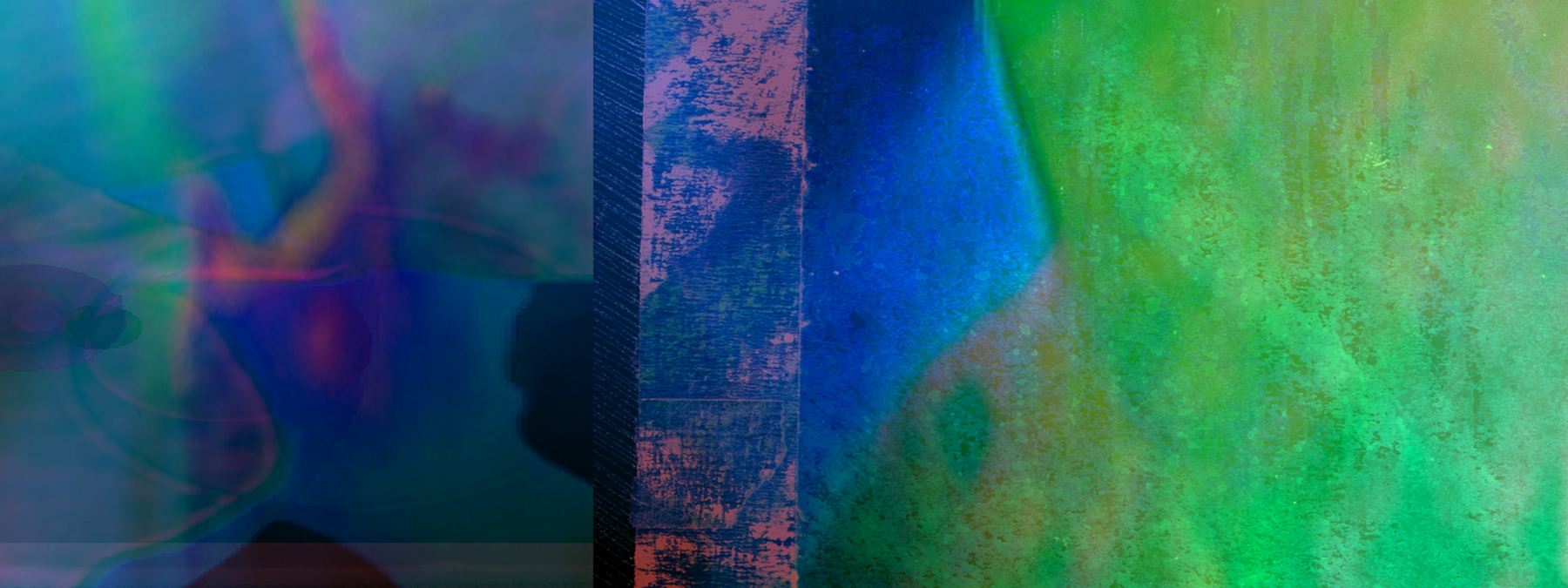
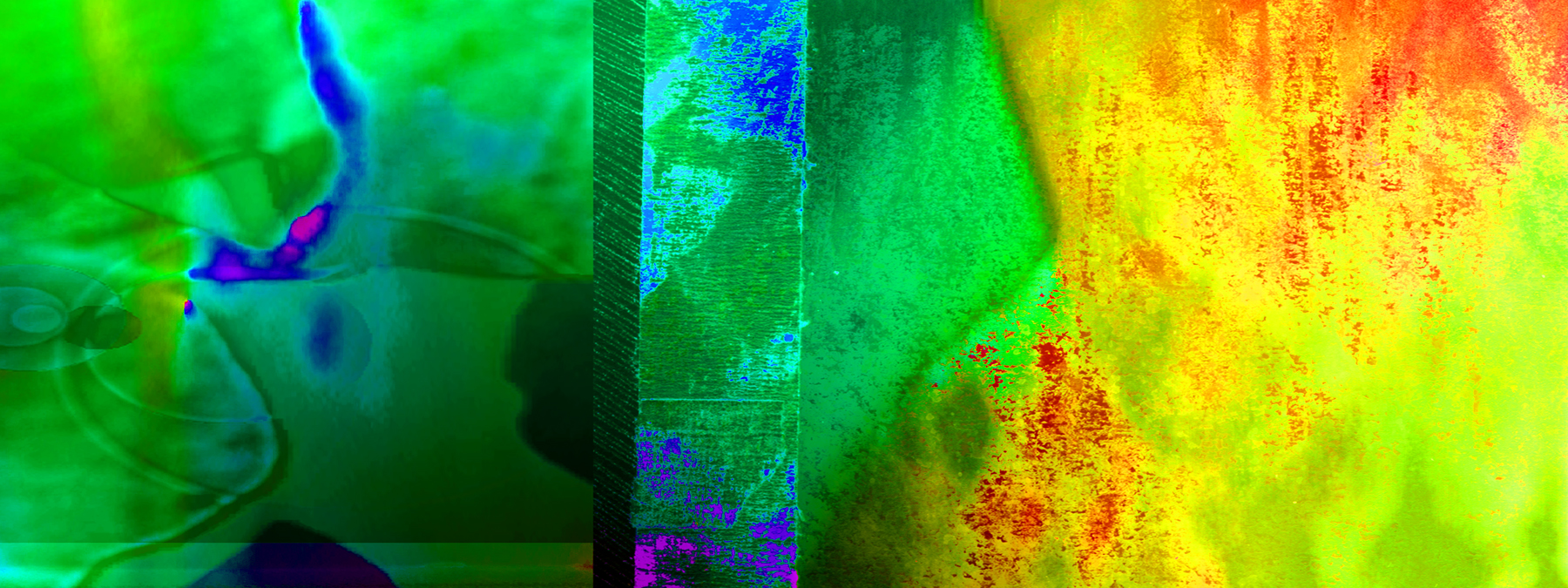
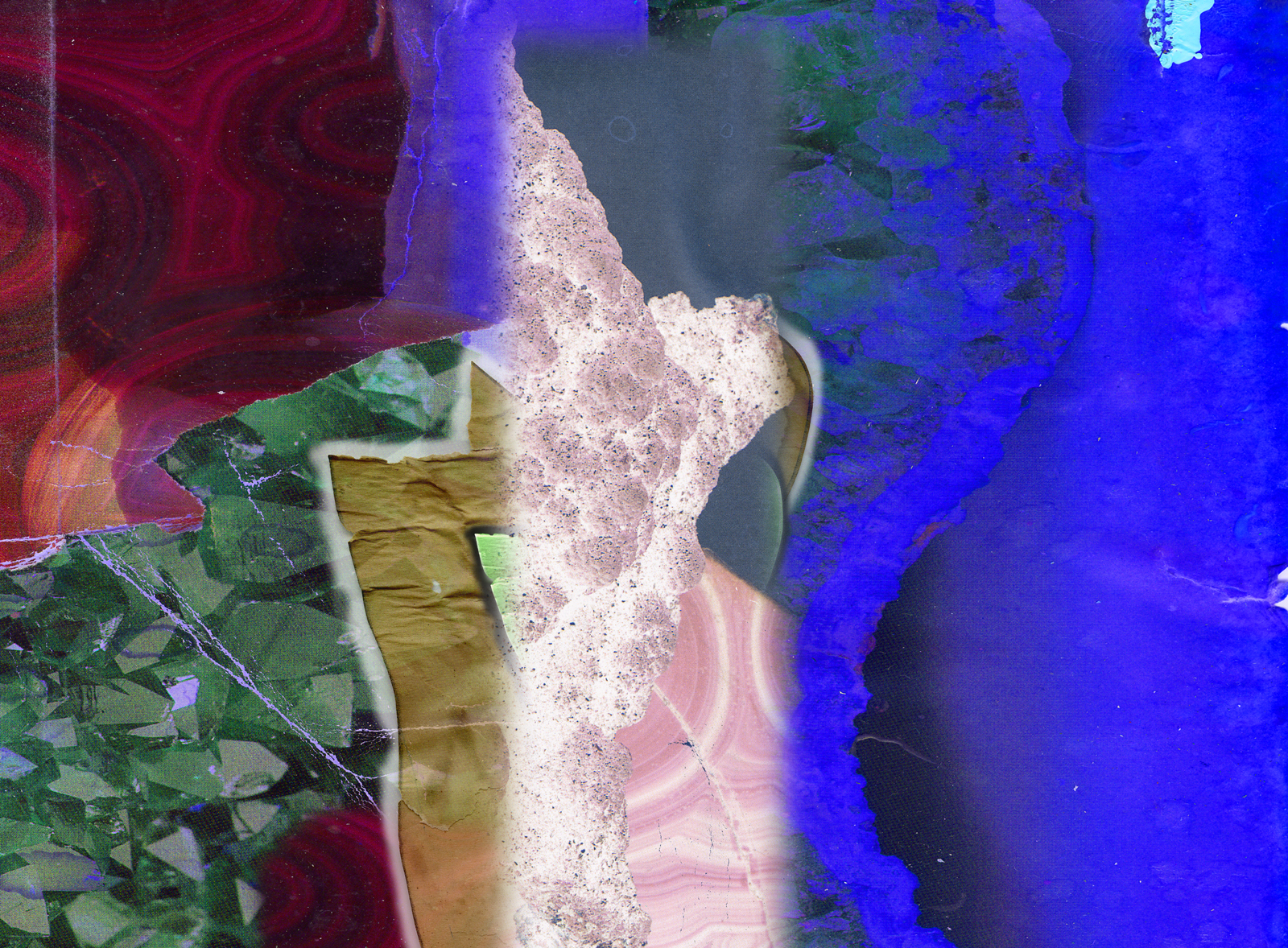
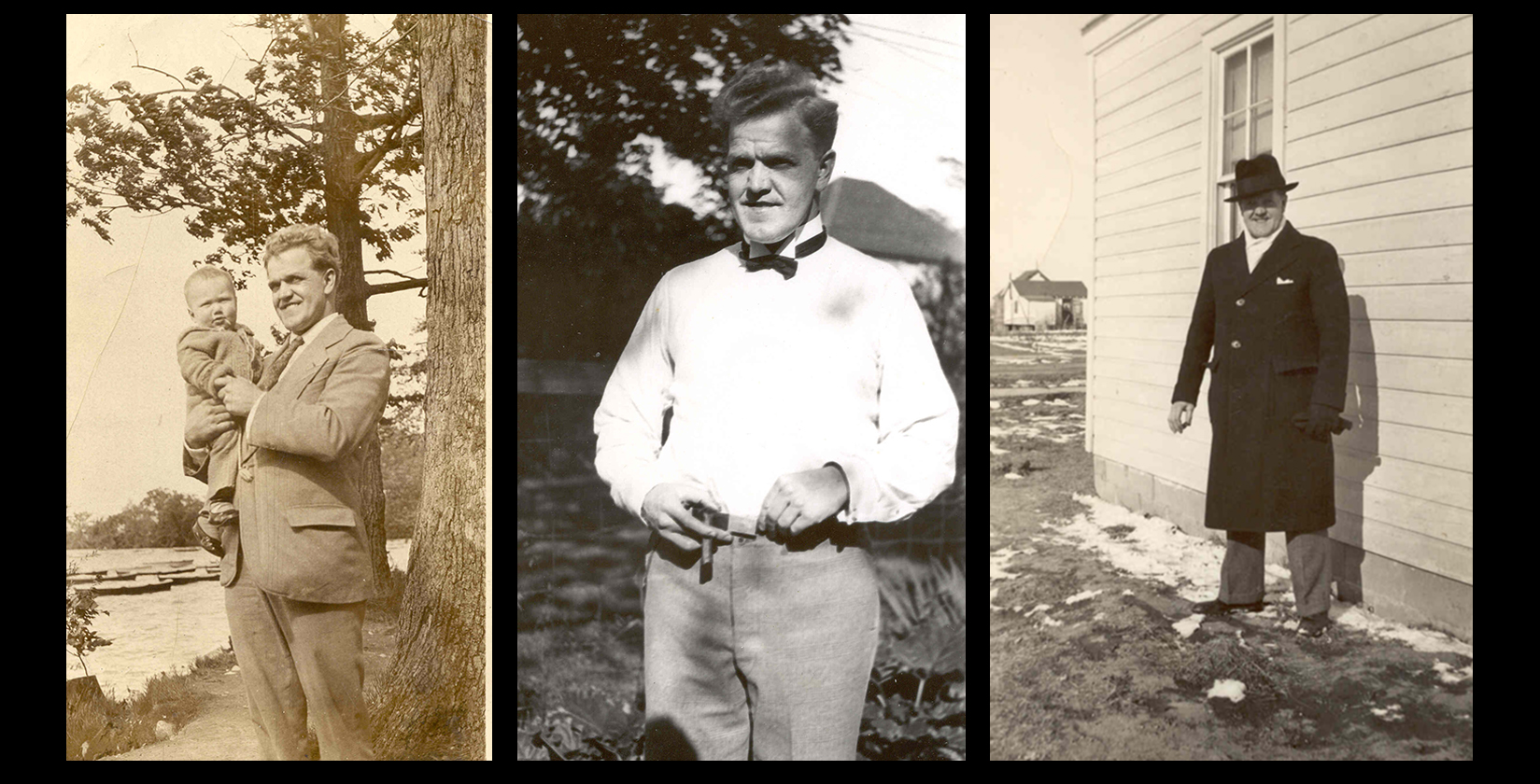
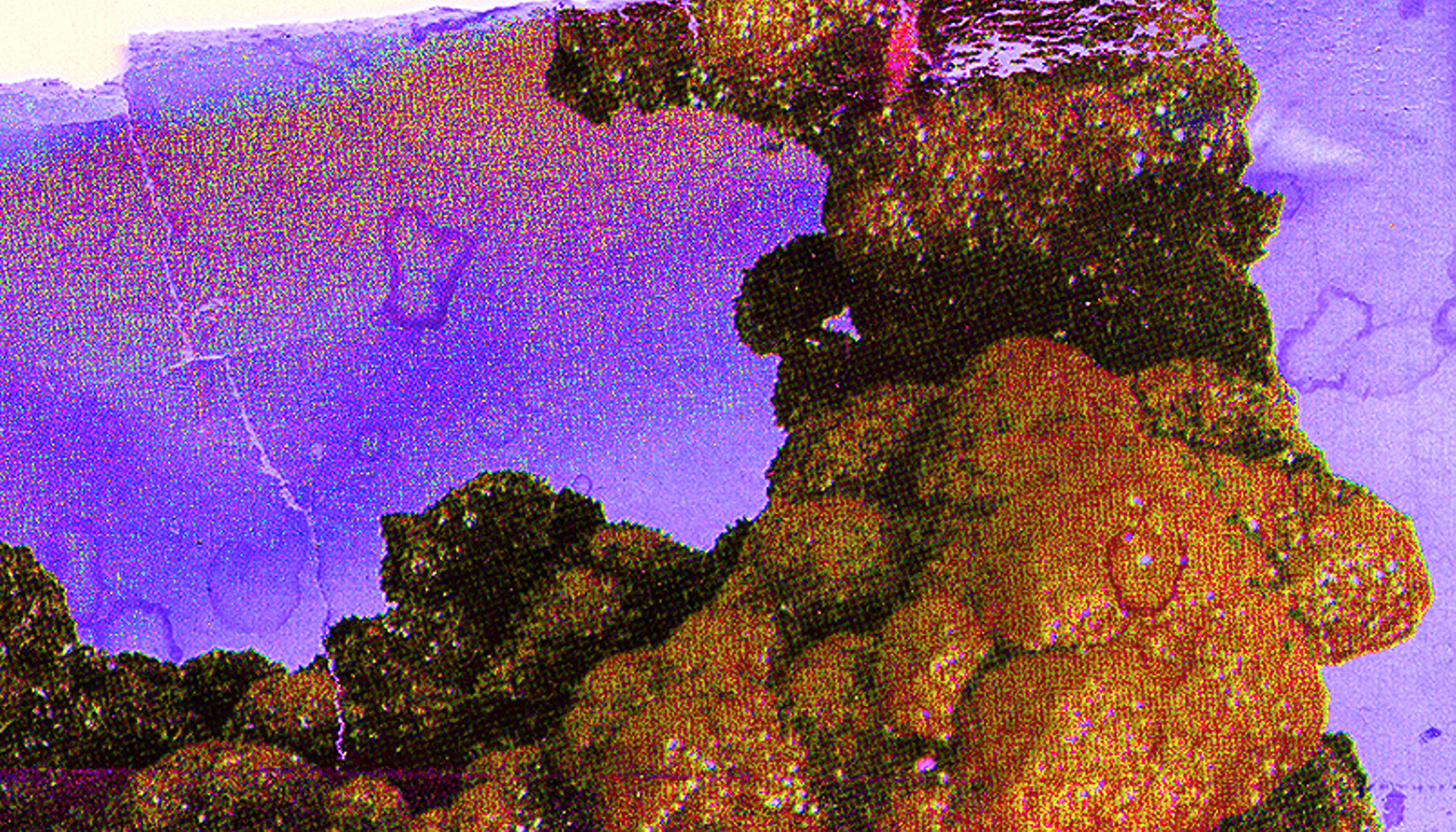
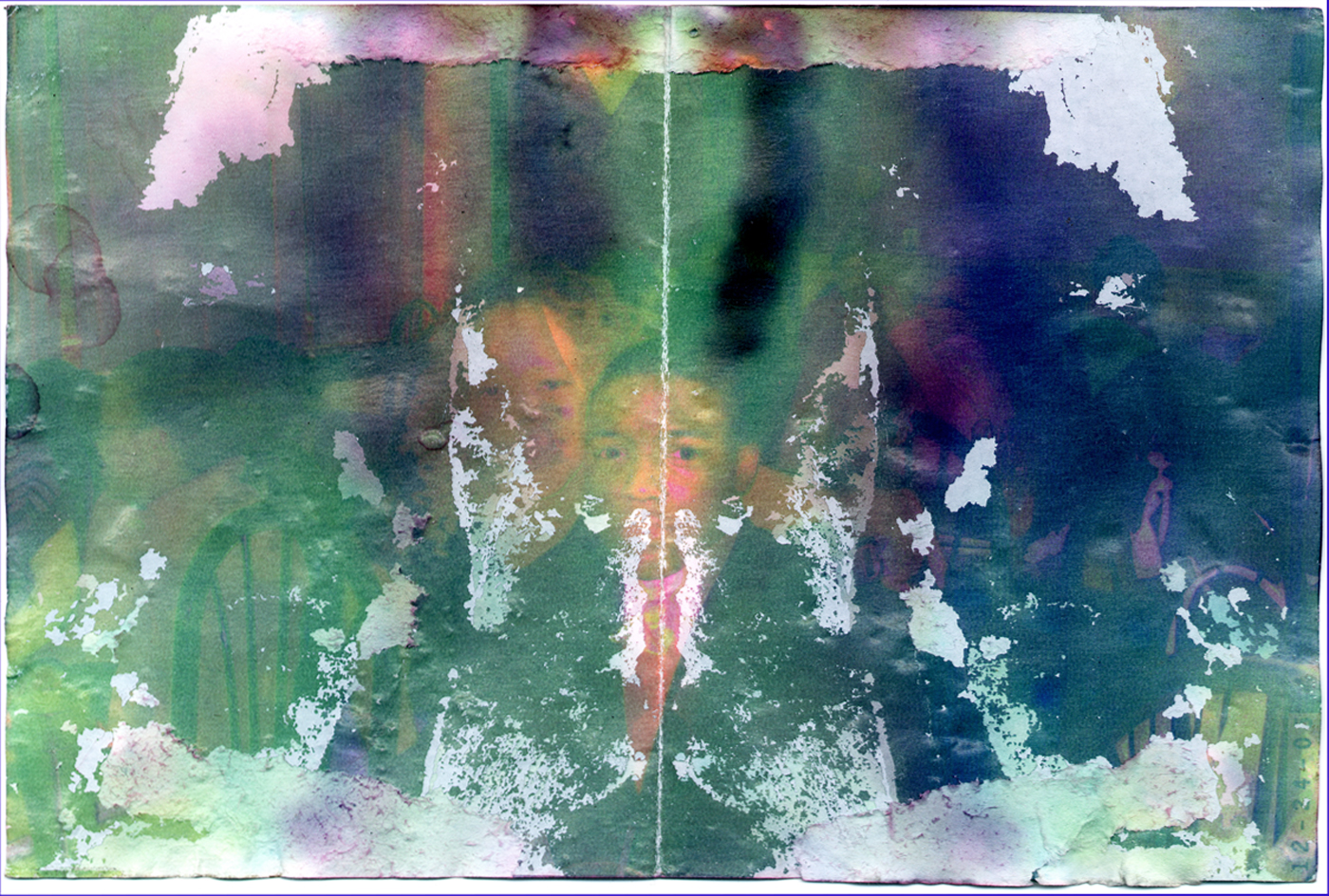
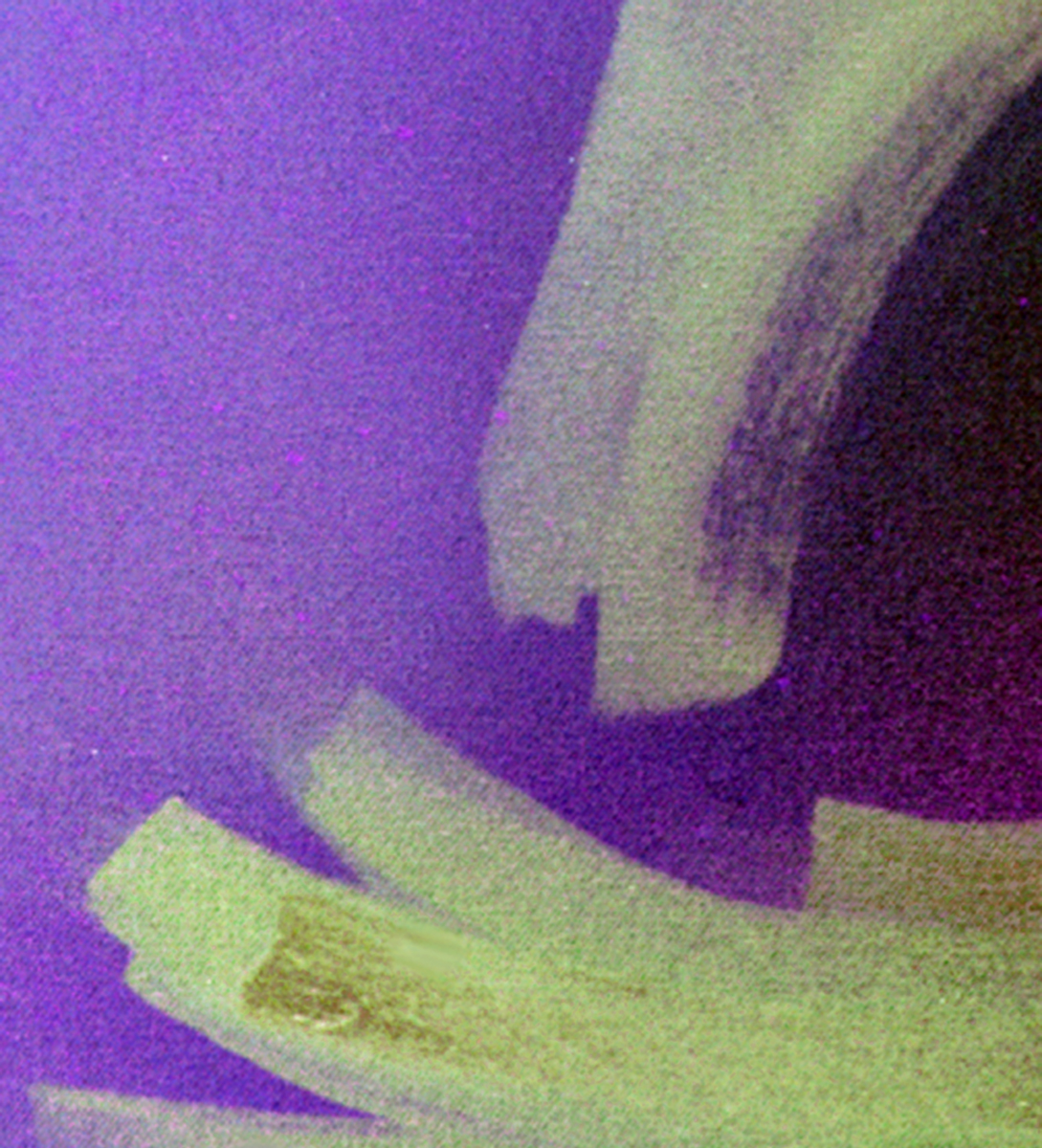
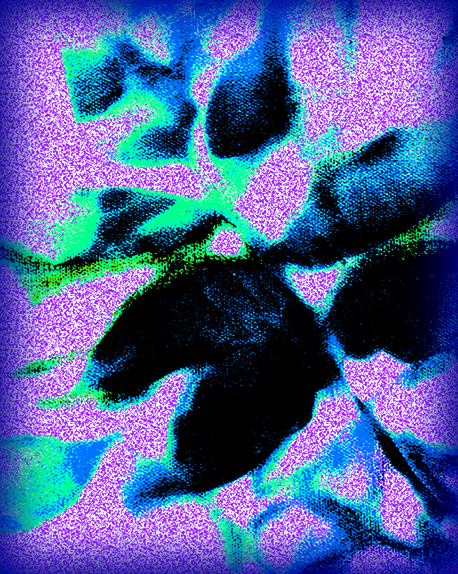
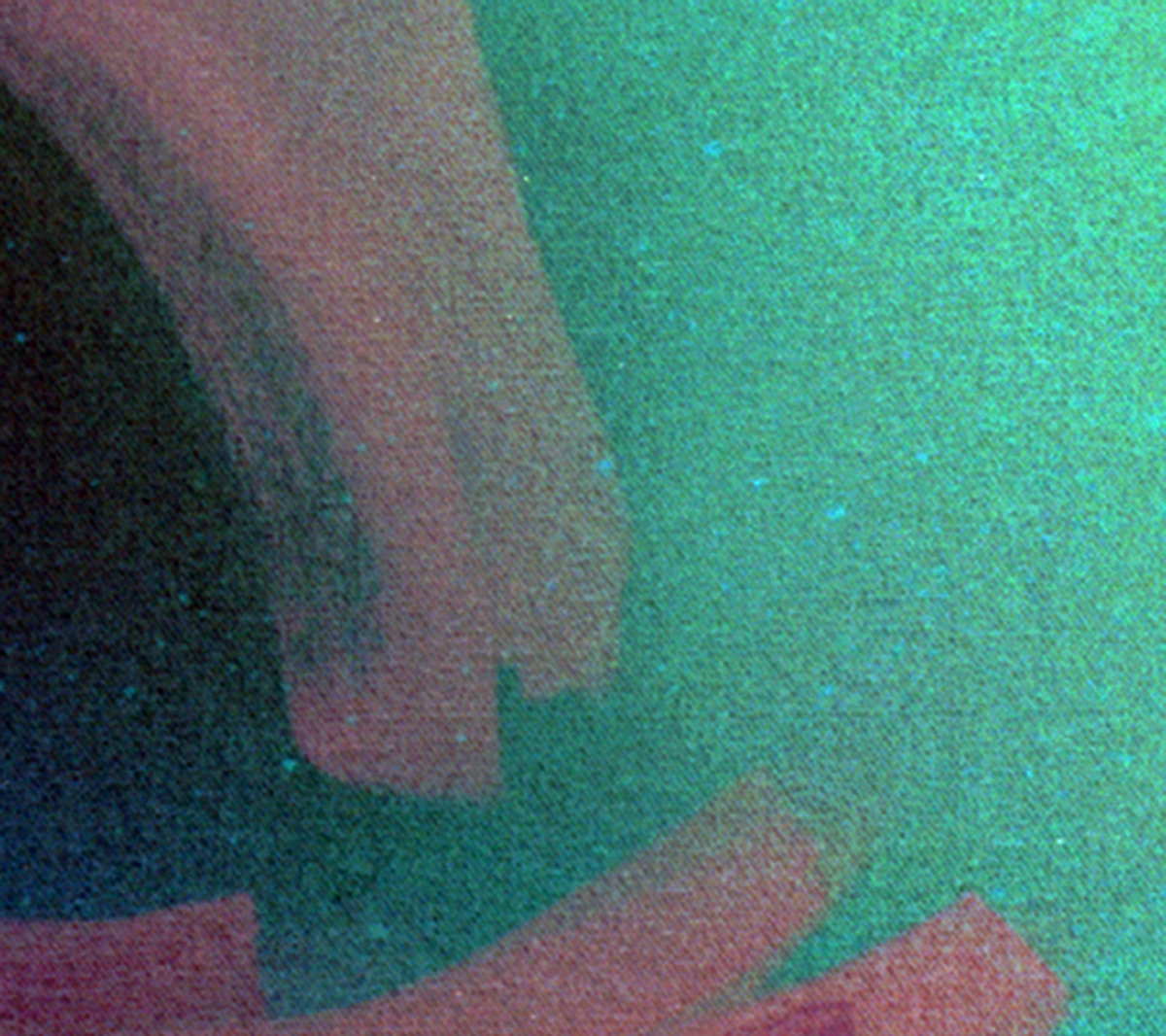
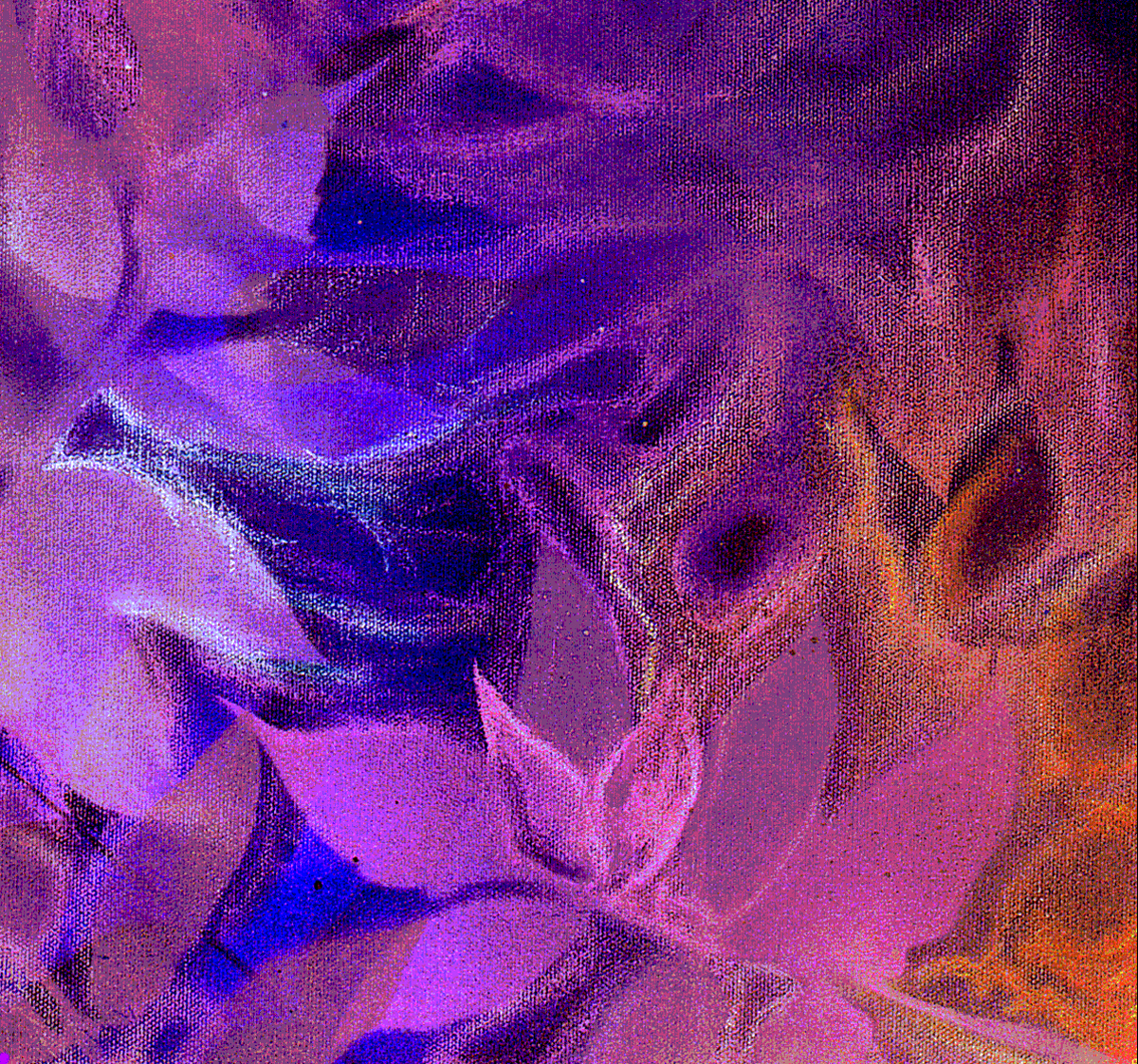
“The artwork and quotes below have been selected by Catherine Rutgers. I believe her reinterpretation of the book is a kind of third collaboration and brings us full circle. What follows is a mini-graphic novel she has created!”

“Everyone on the ST that morning appeared broken in some essential way. As we passed through the unused parts of our district, I looked beyond them and stared through a half-obscured window at the remnants of the former city.”

“I said goodbye to Karin and as I stepped inside my apartment I understood something else: I needed to go it alone. I couldn’t ask for Bredmeyer’s help because he still felt hope.”

“My relationship with Bredmeyer changed. In effect, I’d begun to lie to him. Part of me felt disloyal, despite the fact that I told myself I was protecting him.”

“Of all the hormones, I believe epinephrine is the most potent. When it exits the adrenal gland and bursts like an uncaged mutant into your bloodstream, you discover an unknown cache of strength and endurance.”

“During the timeless moments of unspoken connection, something was born inside me. Not a feeling or a thought but something else—something related to purpose as well as to possibility.”

“Gracelessly, I dropped down beside him, leaned against him, felt the warmth of his body spread into mine and for the first time in my life, I understood that I didn’t know what might happen next or what might be demanded of me.”

“What of all that I’d just heard was true? Beneath my callused fingers the skin of my face felt surprisingly soft. Could I really protect my child in such a place?”
Quotations by Susan Scutti © 2012, https://susanscutti.wordpress.com.
Art by Sarah Valeri © 2013. Visit @sarahvaleriart to see her new projects!
The Deceptive Smiles of Bredmeyer Deed is available in paperback + Kindle at Amazon.
 Lately I’ve been feeling funny, like my tongue has got the cat. Lately I’ve been feeling more than nostalgic, traveling back and forth through history while simultaneously re-creating every little thing. And I must say, it has been thrilling but tiring. Or tiring but thrilling. Or … Lost. Utterly lost in a spiral of responsibility, doubt, media glut, indecision, existential anxiety. You name it. I’m in the throes of it.







 CatRutgers4Art