One human person, I make art with light and time, my eyes and hands.Reflecting the nearby tangible world. The things we see and those we imagine. In the street, the garden, the sky, the air. Assembling and arranging mere pixels onscreen. Searching for those moments when a tender yet ecstatic satisfaction appears and takes hold. Here is your invitation to explore! Love, Cat
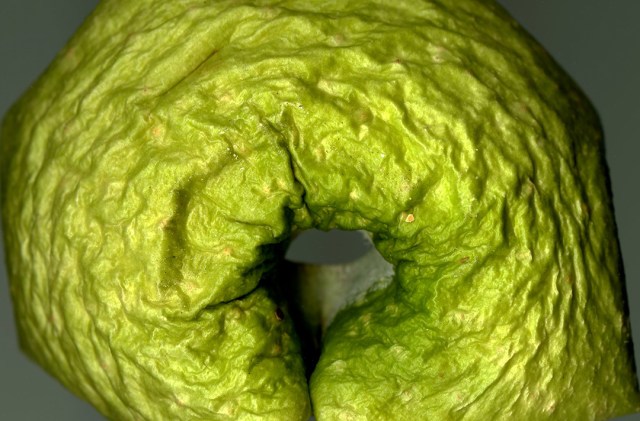
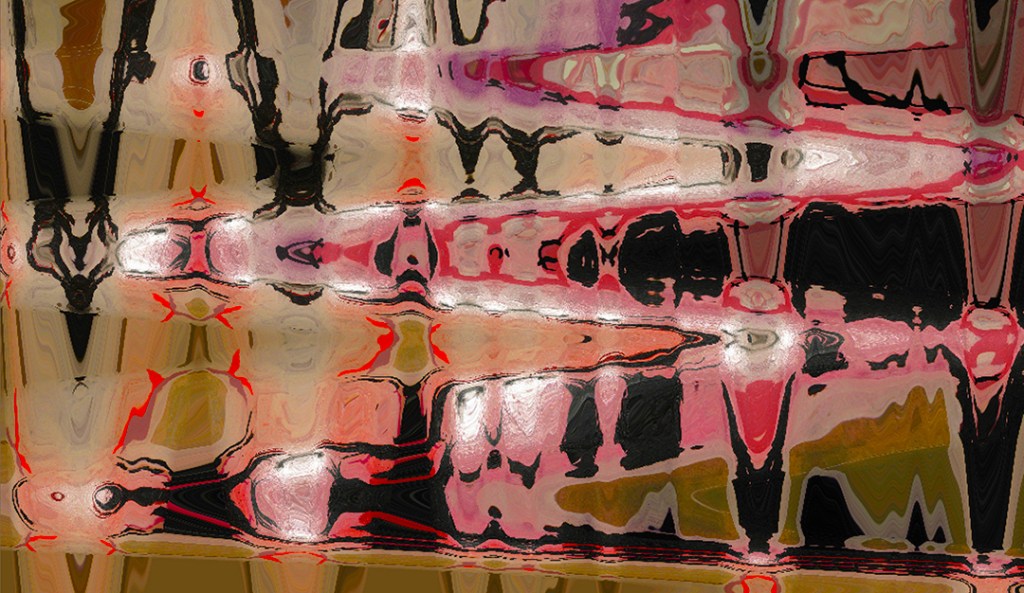
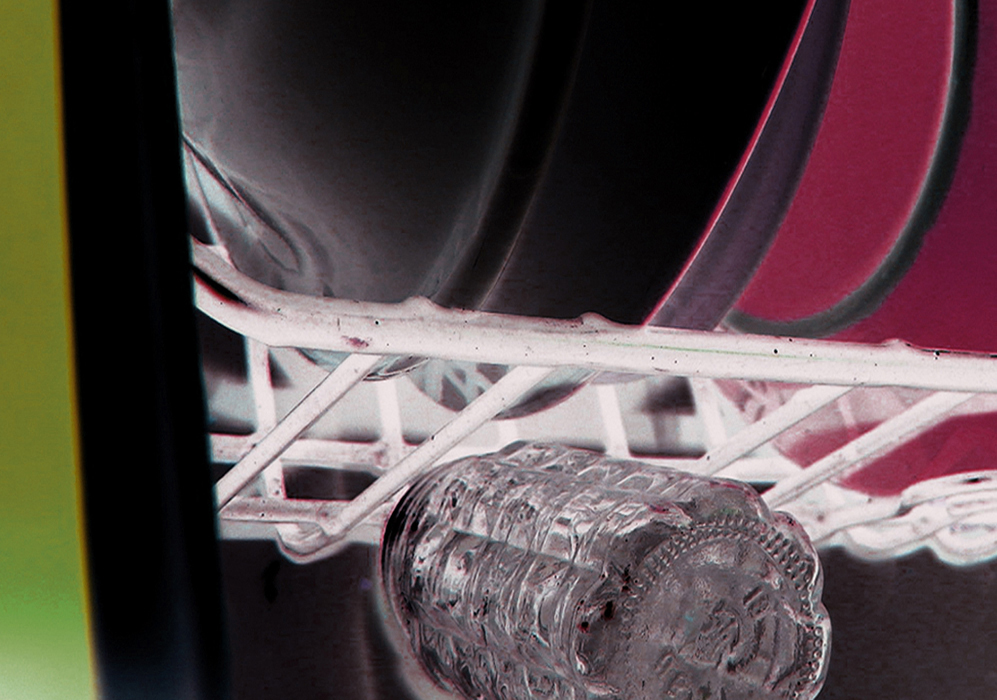
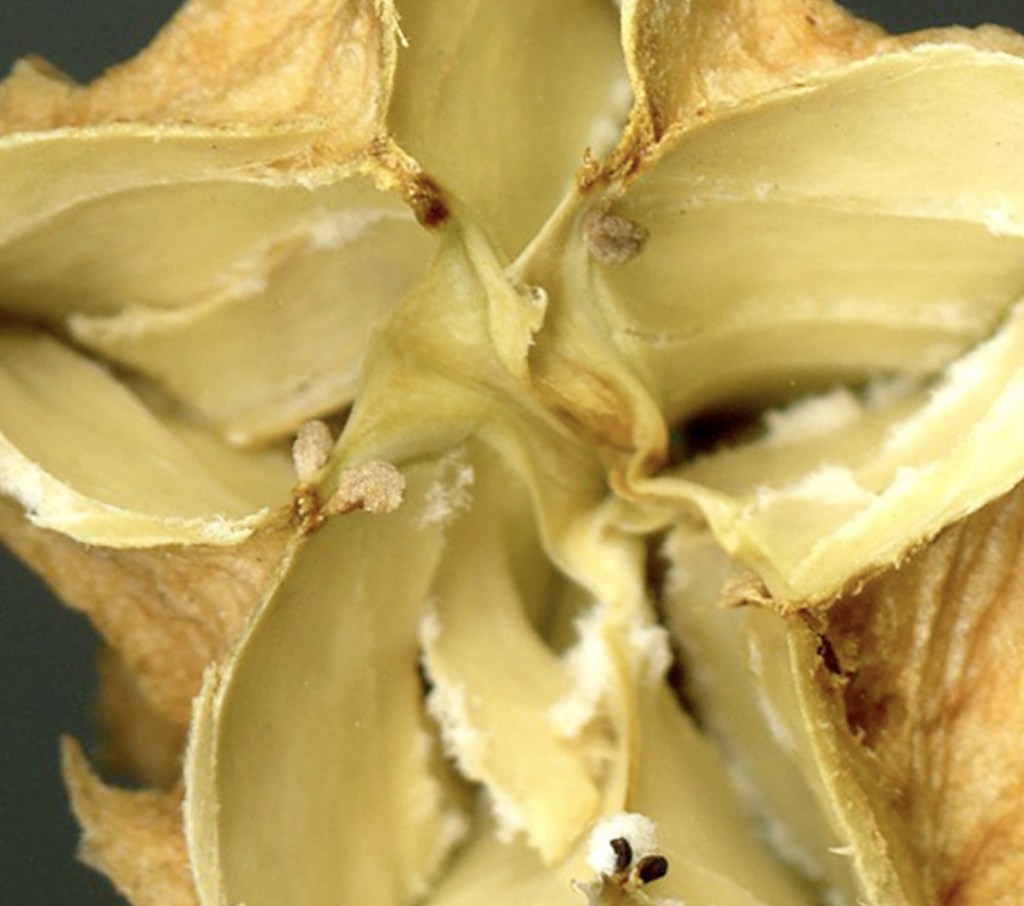
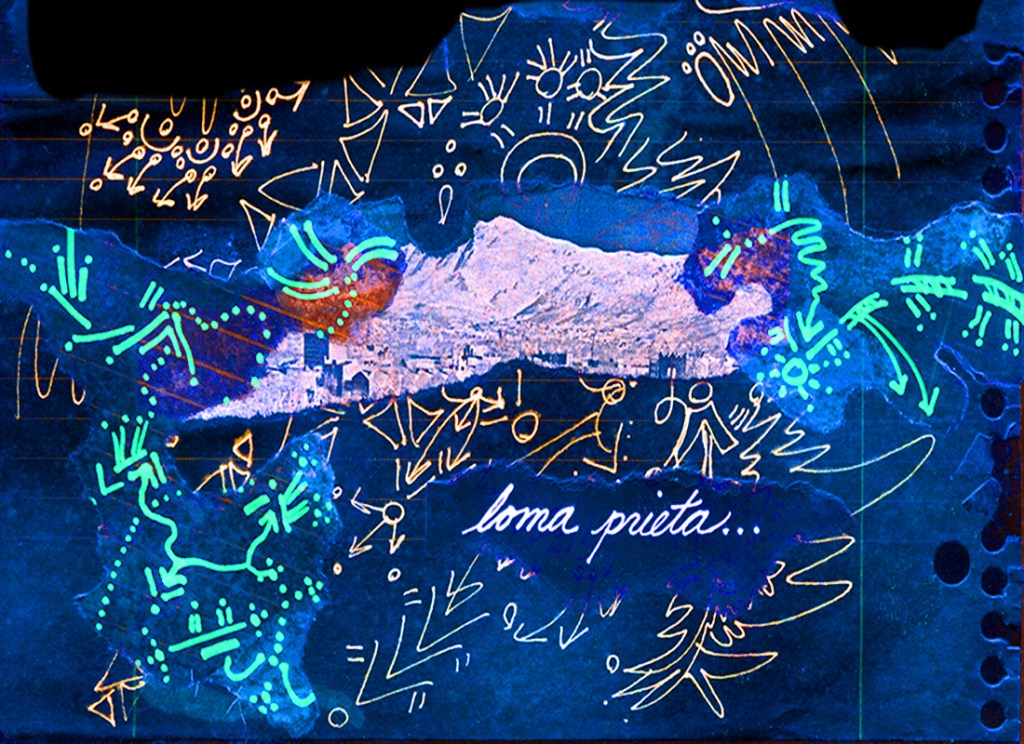
This apple was sliced and exposed to air, but nothing else about this post has been “cut and dried.” I’ve been working on it for months, first by creating new variations from the apple scans of 2024, then additional artwork, and eventually finding a satisfying visual sequence. At last, I liked the way it looks.
I also wanted to step out of “wordless” mode, so thought this updated part of a poem written for a late-1990s New Year’s Day would be the perfect accompaniment:
the teenage girl within me lives my veins soak air, soak water like the veins of an oak
I will shed my skin and I will build new bones bones as smooth as the bark of a willow bones like the multicolored bark of a sycamore
and I will remind you, each and every, even unto those who vaunt a headlong, heedless path, twisting life and death for profit –
there is a star inside the apple history is not over, it has just barely begun
In performance, I had a small table at my side, with a fresh apple and a large knife. Just after delivering the next-to-last line, I chopped the fruit in half. Held the inner stars up for the audience to see. It was thrilling.
This year, the first day of Spring in the northern hemisphere officially “arrived” on March 20th. I would like this, always, to be an occasion for unbridled celebration. A time for completing my projects with passion. Yet even then I was tossed and tormented by “news of the world,” massively ominous on nearly every front, calling into question the counter-evidence, the poignant unfiltered beauty I can personally sense, touch, see, hear.
This morning, the cry of a blue jay on the wing. At twilight, the outrageous song of mockingbirds on rooftops. Through the winter, through the night, a cardinal sleeping, orange-red, puffed up, face hidden, protected in a tall and elderly yew tree, surprisingly revealed by a small patch of light from the otherwise obnoxious security lamp in an obscure corner of the brick-and-cement-lined alleyway.
On the ground in the past few days: hardy snowdrops, purple crocus. The wood violet’s shining dark greenery poised to cradle a riot of sun-yellow blossoms, primrose already blooming through last year’s chilled, wet, fallen oak leaves.
Every glimpse can be a heartening reminder of my own prime message: slow down, look carefully, find the miraculous.
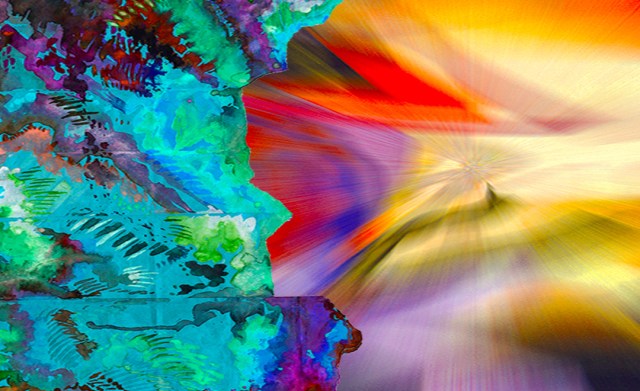
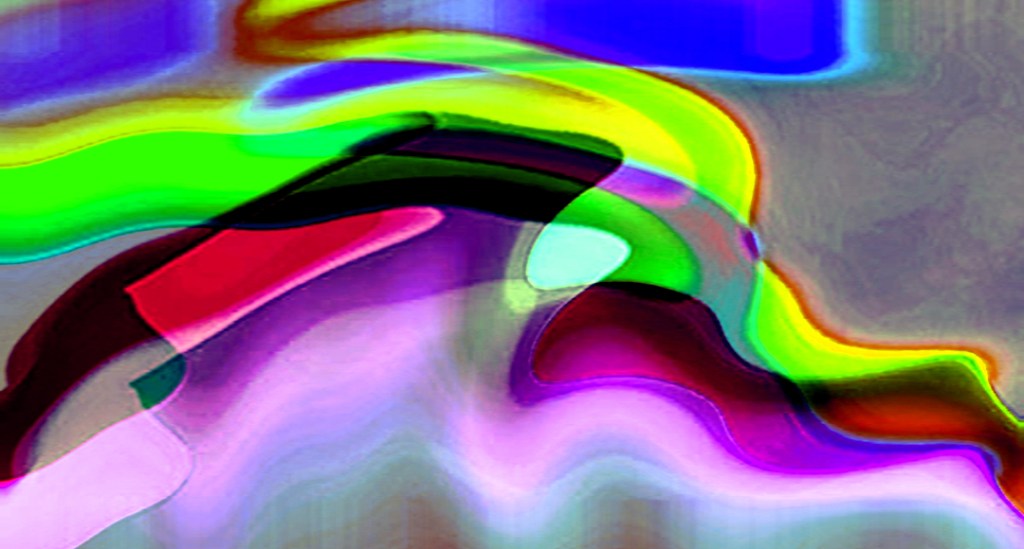
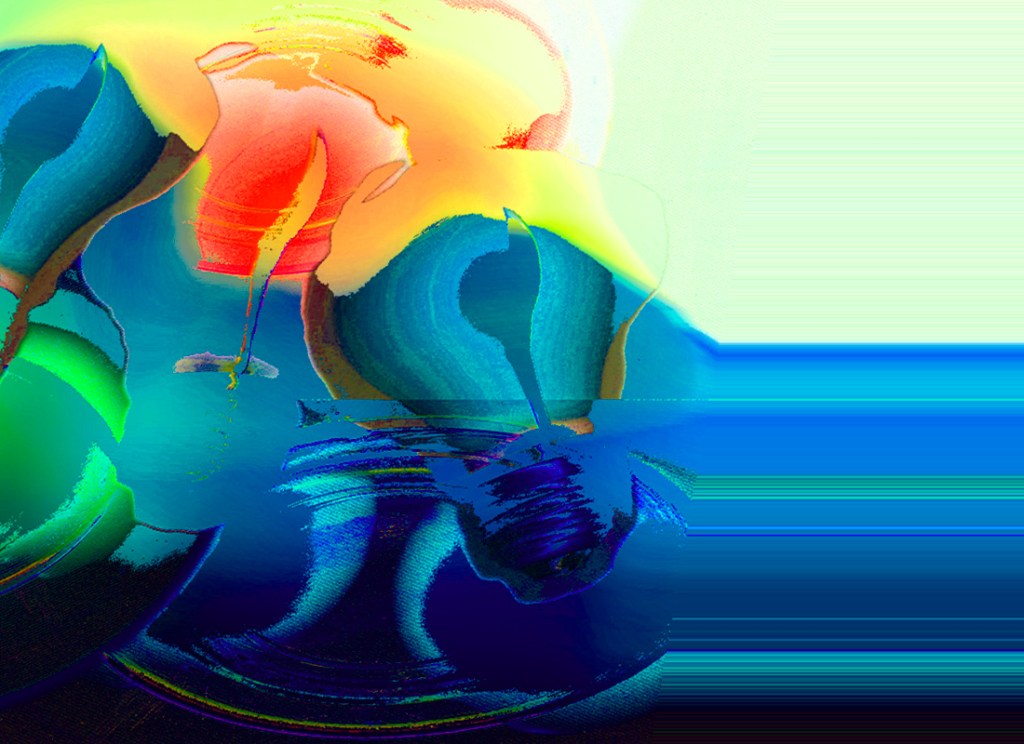
I’m in love with the physical world and with transporting color, form, and thought to the screen. Many of my experiments reflect elements of daily life and local environments. They always begin with my photos or scans, paintings, drawings, mixed-media collage. Some wind up expressing the intangible, e.g., the one above, a spirit animal to accompany me throughout the year of two-thousand-twenty-five.
Sanctified ~ Yet the water keeps falling, the sky behind it is pale blue, the clouds are distinct, puffy. The dogwalker is laughing, taking pictures. I am standing in the raindrops.





 CatRutgers4Art